Comforters are insulating bedding components designed to provide warmth and weight without bulk, often featuring a filled core and a protective outer shell. Materials vary from cotton to silk, with silk-filled options offering temperature regulation, breathable comfort, and a luxurious feel that adapts to different sleep environments. Understanding fill, shell, and construction helps in selecting the right comforter for year-round use and seasonal changes.
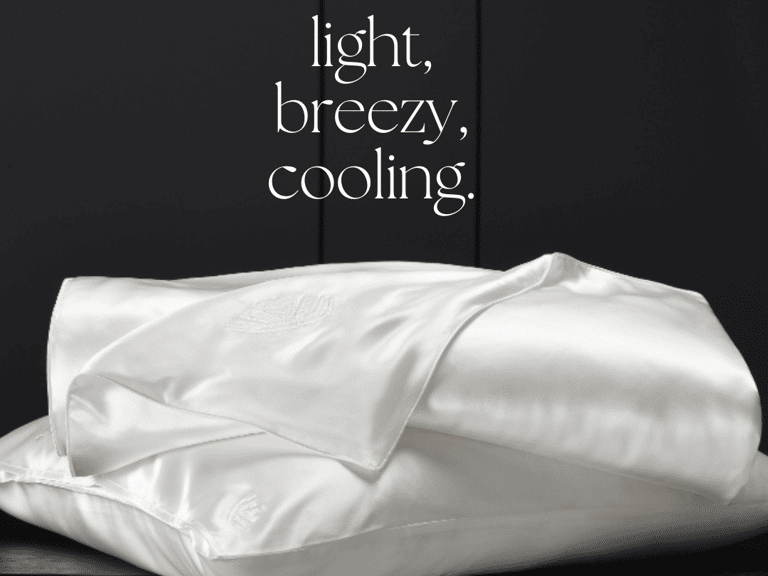
Silk-filled comforters, such as the Summer Weight Silk Filled Comforter With Silk Shell, combine high-grade silk fibers with a lightweight shell to create a breathable, hypoallergenic sleep surface. The Silk Shell exterior contributes to a smooth, soft touch while reducing heat retention, making it suitable for warmer nights and layering with additional blankets for cooler periods.
Key features to consider include fill power, fill weight, and shell fabric weave. Silk tends to wick moisture efficiently, regulate temperature, and resist pilling, which supports long-term durability. A well-constructed comforter maintains loft and distribution, ensuring consistent warmth without the sensation of heaviness during rest.
In practical terms, comforters serve as a primary insulating layer on top of sheets and blankets. They are designed to be compact enough for efficient laundry care yet substantial enough to provide cozy coverage. For travelers or seasonal sleepers, lightweight variations offer versatility while maintaining comfort in diverse sleeping environments.
Related bedding elements, such as pillows and sheets, complement comforters by coordinating temperature regulation and material comfort. When considering bedding systems, meta keywords like bedding, pillows, sheets, comforters, and travel pillows help frame the broader context of sleep hygiene and material science, emphasizing the interplay between fabric choices and restful nights.
 Bedding